
How to Choose the Right Layout for Your Kitchen Remodel
Key Takeaways:
Choosing the right kitchen layout is one of the most important steps in any kitchen remodel. The ideal design depends on your space, lifestyle, and the way you use your kitchen. Popular layouts include one-wall, galley, L-shaped, U-shaped, island and peninsula configurations. Prioritize functionality, traffic flow and storage, and consider whether the traditional work triangle or modern work-zone approach better suits your needs. Working with a professional kitchen designer ensures your new kitchen design is both beautiful and practical, delivering long-lasting value.
A kitchen remodel is one of the most exciting home improvement projects you can take on. It refreshes the heart of your home, improves daily functionality and can significantly increase property value. But before you start picking out cabinets or choosing countertop styles, there’s one foundational decision that shapes everything else: your kitchen layout.
The right layout makes cooking easier, entertaining smoother and your home more enjoyable. But the wrong layout can cause daily frustration for years. This guide will help you understand the most important considerations necessary to get your kitchen layout right.
Why Your Kitchen Layout Matters
Think of the layout as the “blueprint” for how your kitchen functions. It determines:
- Traffic flow
- Counter space
- Storage capacity
- Appliance placement
- Safety and accessibility
- How multiple people can use the kitchen at once
Even with beautiful finishes and upgraded appliances, a kitchen with a poor layout will never feel right. Choosing the correct configuration ensures your kitchen remodel addresses your needs for years to come.
Step 1: Understand the Most Common Kitchen Layouts
There are a variety of kitchen layouts you can choose, and the right option for you will depend on the size, shape and use of your kitchen. Here’s a breakdown of the most popular options.
The One-Wall Kitchen
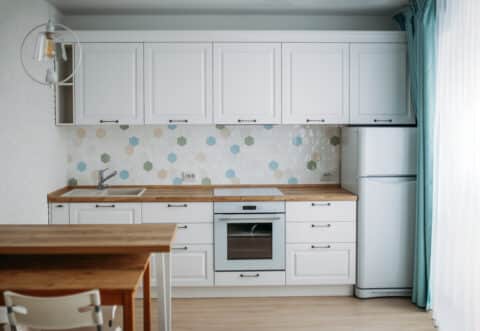 As the name implies, all appliances, cabinets and countertops sit along one wall. This is the simplest and most compact kitchen design. It’s ideally suited for small homes, condos and open-concept spaces.
Pros of the one-wall kitchen include:
- Budget-friendly
- Space-saving
- Clean, streamlined look
You may also experience the following drawbacks from this option:
- Limited counter and storage space
- Fewer options for the “kitchen work triangle” (more on this below)
The Galley Kitchen
A galley kitchen features two parallel counters with a walkway in between, maximizing every square inch. It’s ideally suited for serious cooks who need to optimize the functionality of small to medium-size spaces and desire a professional style kitchen design.
Pros of the galley kitchen include:
- Extremely efficient for cooking
- Lots of cabinet and counter space
- Great for tight spaces
However, this layout can feel closed in. Another potential drawback is that it provides limited space for group cooking or gathering.
The L-Shaped Kitchen
 This popular layout uses two connected walls of cabinets that form an “L.” It’s flexible and works for both small and large kitchens. The L-shaped kitchen is an excellent option if you want an open-concept kitchen with room for entertaining.
Pros of the L-shaped kitchen include:
- Open, spacious feel
- Flexible appliance placement
- Great for creating a breakfast nook or dining area
The primary drawback is that corner cabinets may require special storage solutions.
The U-Shaped Kitchen
This design uses three connected walls of cabinetry, offering ample workspace and storage. It’s ideally suited for medium to large kitchens and creates a chef-friendly kitchen design.
Pros of the U-shaped kitchen include:
- Excellent workflow
- Lots of countertop space
- Plenty of upper and lower cabinets
The main drawbacks relate to kitchen flow:
- It can feel enclosed if the room is small
- It may limit movement if too many people are cooking at once
The Island Kitchen
 Island kitchens are extremely popular with modern homes and open floor plans. Using an island in your kitchen design adds extra prep space, storage and seating. You can also add a secondary sink or cooktop to your island for increased functionality. This layout improves the ability to use your kitchen as a social gathering place.
Pros of the island kitchen include:
- Great for entertaining
- Additional workspace and storage
- Defines the kitchen zone in an open floor plan
However, it’s important to understand that your kitchen’s dimensions will dictate whether this layout is a viable option:
- Requires adequate space around the island
- Not ideal for narrow kitchens
The Peninsula Kitchen
This layout includes a peninsula that extends from a wall or cabinet system, offering many of the benefits of an island without requiring as much room. It’s an excellent option for medium-sized kitchens wanting island functionality without the space for an island.
Pros of the peninsula kitchen include:
- Great for seating and prep space
- Efficient use of space
- Works well in kitchens too small for an island
Just make sure to be very intentional with your kitchen design if you choose this layout. It can negatively impact traffic flow if the peninsula isn’t planned correctly.
Step 2: Consider Your Lifestyle and How You Use Your Kitchen
Your kitchen design should reflect your daily habits, routines and preferences. Ask yourself:
- How many people cook at once? – A galley or U-shape kitchen may be efficient, but these options can feel tight for multiple cooks.
- Do you entertain often? – An island or L-shape kitchen provide the most effective layouts to accommodate guests and conversation.
- Do you need more storage or more workspace? – U-shaped layouts maximize cabinetry while islands boost prep surface.
- Is your kitchen part of an open floor plan? – Peninsula or island kitchens help define the space without walls.
Understanding how you move, cook and gather helps narrow down which layout options will most effectively align with your lifestyle.
Step 3: Evaluate the Space You’re Working With
 Before choosing a layout, consider the following factors associated with your kitchen space:
- Room Size and Shape – Long, narrow rooms naturally suit galley kitchens. Square rooms allow for islands. Small spaces benefit from one-wall or L-shaped designs.
- Plumbing and Electrical Locations – Moving utilities can be done, but it affects your remodel budget.
- Natural Light and Windows – Windows influence where cabinets and appliances can go.
- Entryways and Walkways – Traffic flow should feel safe and unforced, especially in homes with kids or pets.
A professional kitchen designer can help you visualize different layouts and understand how each option fits your home’s dimensions.
Step 4: Think About the Kitchen Work Triangle (or Work Zones)
The “work triangle” connects your sink, stove and refrigerator – the three most used areas in the kitchen. A good layout keeps these elements close enough to be efficient, but not cramped.
Modern kitchen design often uses work zones instead of the traditional work triangle. These work zones divide the kitchen into dedicated areas such as:
- Prep zone
- Cooking zone
- Cleaning zone
- Storage zone
- Snack/beverage zone
Both approaches ensure your layout supports an intuitive, comfortable workflow. The right solution for you should be dictated by the dimensions of your kitchen and the way you plan to use the space.
Step 5: Balance Beauty and Function
A kitchen remodel should enhance your home’s style while making daily life easier. Focusing exclusively on aesthetics can result in a kitchen that looks beautiful, but lacks the functionality you need. When choosing a layout, consider:
- Visual flow with the rest of your home
- Storage solutions like pull-out drawers, lazy Susans, and tall pantry cabinets
- Countertop landing zones around appliances
- Safety clearances around ovens and dishwashers
- Future needs such as aging-in-place features or growing families
Step 6: Work With a Professional Kitchen Designer
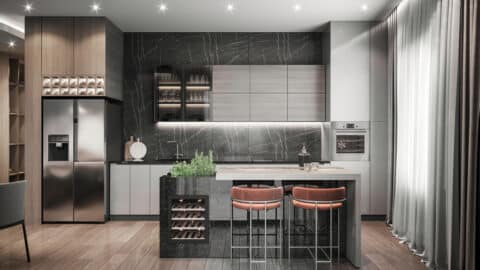 While online inspiration is helpful, kitchen design is both an art and a science. A professional kitchen designer can help you:
- Maximize your space
- Balance layout, style, and functionality
- Avoid costly mistakes
- Visualize different configurations
- Create a cohesive, personalized design
The result is a kitchen remodel that fits your home, lifestyle and long-term goals.
Sander & Sons Can Bring Your Vision to Life
Choosing the right kitchen layout is one of the most critical steps to ensuring your remodel meets your needs. At Sander & Sons, we have over 25 years of experience with kitchen design and remodel projects, and our team can guide you to the right kitchen layout to bring your vision to life.
As a family-owned business, we understand the importance of highly personalized service. When you work with Sander & Sons, you’ll benefit from a dedicated partner who will always go the extra mile to ensure you receive the attention you deserve. Our team will treat you the way we’d expect our family to be treated, and we work hard to deliver an exceptional experience throughout every phase of the project.
We begin the process with an at-home consultation where we discuss your kitchen remodel goals with you and take detailed measurements of your kitchen. Based on your needs and the available space, we’ll make customized recommendations regarding the best kitchen layout to achieve your vision. We can coordinate every phase of the project, delivering a hassle-free experience from start to finish.
At Sander & Sons, we’re focused on providing exceptional value. We accomplish this by offering a wide range of premium products at affordable prices, ensuring you receive excellent quality that fits within your budget.
Contact us today to schedule a consultation. Sander & Sons serves customers in Denver and the surrounding areas.
Get Your Free Estimate
We would love to help you with your next project. Contact us to learn more.
Learn More