
5 Ways to Maximize Storage with Your Kitchen Remodel
Key Takeaways:
Maximizing storage during a kitchen remodel depends on making intentional planning decisions early in the design process. Storage should be considered alongside layout planning, cabinet configuration and work zones rather than added after major decisions are finalized. Effective storage strategies focus on improving usability inside cabinets, taking advantage of vertical space, addressing corners and narrow areas, and aligning storage locations with how the kitchen is used day to day. When storage is planned holistically as part of the remodel, it can significantly improve functionality without increasing the size of the kitchen.
Remodeling your kitchen provides an opportunity to do much more than just upgrade the aesthetic appearance of the space. It also allows you to rethink the functional aspects of your kitchen so that it more effectively addresses the ways in which you use the space. This frequently overlooked aspect of the kitchen remodel process can make the difference between having a new kitchen that looks great but doesn’t truly address your needs, and having a kitchen that elevates your enjoyment of the room.
When evaluating the functional aspects of your kitchen, one of the most important items to consider is storage. During a kitchen remodel, you have the ability to get creative with cabinet layouts in order to significantly expand your storage capacity and set up this storage in a way that aligns with your specific needs. The following strategies will help you understand how to maximize your storage potential during your upcoming kitchen remodel.
Plan Storage Before Finalizing the Layout
One of the most effective ways to increase storage during a kitchen remodel is to think about storage needs before the layout is locked in. Many storage problems are created when cabinets and appliances are placed first and storage is expected to work around those decisions. Once the layout is set, storage options become limited, even in a larger or newly renovated kitchen.
Planning storage early allows you to be thoughtful about how your kitchen is actually used. Start by grouping the items you store by category:
- Daily dishes
- Large entertaining pieces
- Baking gear
- Small appliances
- Pantry items
- Cleaning supplies
Think about how frequently you use each of these items, as well as the ideal location in the kitchen to store them. For example, you might find that storage for dishes and glassware near the dishwasher or storage for baking gear near the oven improves the efficiency of how you access and use these items. When these patterns are understood upfront, cabinets and drawers can be placed where they support real use instead of filling leftover space.
Early storage planning also prevents common compromises. Without a clear storage strategy, you may find that you end up adding cabinets where they fit rather than where they work best. This can lead to awkward reaches, crowded drawers, or cabinets that look generous but are hard to use.
Maximize Usable Space Inside Cabinets
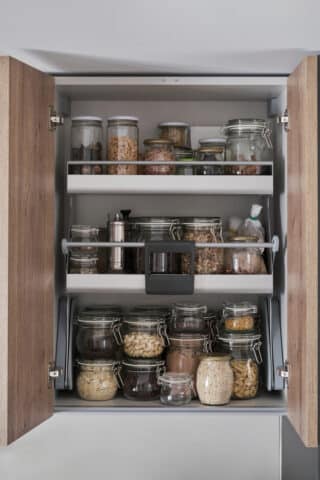 During a kitchen remodel, you have the opportunity to rethink cabinet interiors so they support how you store and access items. Fixed shelves are one of the most common limitations in older kitchens. When shelves cannot be adjusted or divided effectively, vertical space is often wasted. Even when cabinets appear full, much of the space inside them is difficult to reach or use efficiently.
Cabinet depth and height also play a role in storage performance. Deep cabinets can hold more, but they can also hide items if they are not planned carefully. Very tall cabinets may provide extra capacity, but only if the contents can be accessed without constant effort. During a remodel, cabinet dimensions can be aligned with what you actually store, reducing wasted space and improving visibility.
Use Vertical Space More Effectively
Optimizing your vertical space is one of the easiest ways to expand your storage capacity. This is accomplished by running your storage all the way to the ceiling so that you can have more effective options to store items that would otherwise crowd lower cabinets or countertops.
Always prioritize accessibility when planning how to best make use of your vertical space:
- Keep the top shelves for items that are rarely used, such as holiday platters or small appliances
- Store items that are regularly used in cabinets and drawers that can be accessed without a step stool or the need to bend down
- Add vertical dividers in tall cabinets for trays, cutting boards and baking sheets so that you can store them side-by-side instead of stacked
- Add shallow cabinets to an island to provide additional storage for infrequently used items
- Consider adding pull-out shelves to make it easier to access the items in cabinets that are very tall and deep
Improve Storage in Corners and Tight Areas
Corners and narrow sections are some of the most common sources of lost storage in a kitchen. These areas are often left underutilized because they are harder to design around. Figuring out how to use these areas can make the difference between having a kitchen with adequate storage and great storage.
When corner storage and narrow areas are addressed intentionally, they can support everyday use more effectively. You can transform these areas from dead space into functional storage by:
- Installing a lazy Susan, blind-corner pull-out or LeMans-style unit in corner cabinets
- Adding toe-kick drawers under base cabinets to store extra sheet pans or cutting boards
- Adding small or narrow cabinets in transitional zones between major kitchen areas to store smaller items that don’t require a full-sized cabinet
Plan Storage Around Work Zones
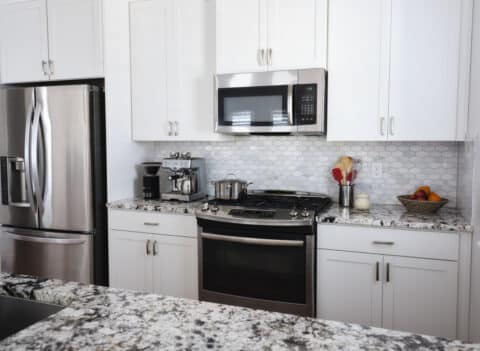 Aligning your storage with the way you move through the kitchen will reduce clutter and improve the efficiency of the space. For this reason, it’s best to consider how your storage will support the different work zones you establish:
- Make sure your prep zone contains storage areas that are ideal to hold items such as knives, cutting boards, mixing bowls and frequently used spices or oils.
- Your cooking zone should contain large storage areas for pots and pans, as well as vertical spaces for baking sheets. Consider adding a narrow cabinet with a pull-out for oils and spices that are primarily used while cooking rather than during the prep process.
- Your clean-up zone should contain elevated storage areas for dishes and glasses, as well as under-sink cabinets for cleaning supplies and trash bins.
Sander & Sons Can Bring Your Vision to Life
When you’re undergoing a kitchen remodel, having the right kitchen design partner makes a huge difference in the results. At Sander & Sons, we’ve been performing kitchen remodels for homeowners in Denver for 30 years, and we have the experience necessary to help you optimize your storage.
During the planning phase, we’ll discuss your storage needs in detail to create a customized layout that ensures the storage capabilities align with your specific needs. We offer a wide range of kitchen cabinet options, including many premium products. This allows you to address your storage needs in a way that delivers the best possible quality while staying within your budget.
Contact us today to schedule a consultation. Sander & Sons serves customers in Denver and the surrounding areas.
Get Your Free Estimate
We would love to help you with your next project. Contact us to learn more.
Learn More